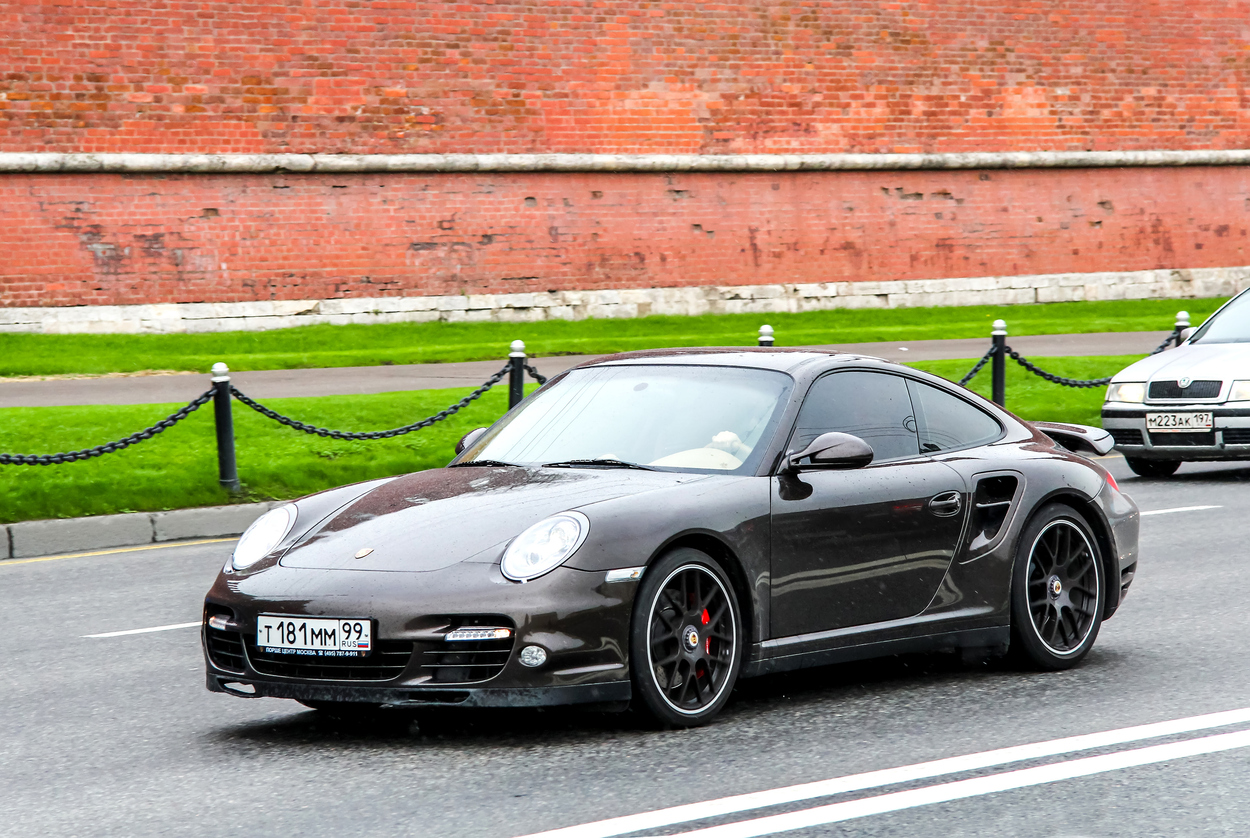
Porsche 997 Buyer's Guide (2005–2012)
Widely considered the best all-around 911 generation. Beautiful styling, two distinct sub-generations with critical differences in reliability, and a range that spans from daily-driver Carrera to track-ready GT3.
Overview
The 997 generation ran from 2005 to 2012 and is widely regarded as the pinnacle of analog 911 development. It addressed nearly every criticism leveled at the 996 — the styling was universally praised, the interior quality improved significantly, and the driving experience was refined without losing the essential 911 character that enthusiasts love.
Critically for buyers, the 997 splits into two sub-generations that have very different ownership considerations. Understanding whether a car is a 997.1 (2005–2008) or a 997.2 (2009–2012) is the most important question when shopping for a 997 Carrera.
997.1 vs. 997.2 — The Critical Difference
The distinction between the 997.1 and 997.2 is far more than cosmetic. These are fundamentally different engines with different reliability profiles.
997.1 (2005–2008)
- Engine: M97, naturally aspirated
- Displacement: 3.6L (Carrera), 3.8L (Carrera S)
- Power: 325–355 hp
- IMS Risk: Yes — same concern as 996
- Headlights: Bi-xenon (halogen on base)
- Infotainment: PCM 2.1
997.2 (2009–2012)
- Engine: MA1, direct fuel injection (DFI)
- Displacement: 3.6L (Carrera), 3.8L (Carrera S)
- Power: 345–385 hp
- IMS Risk: None — new engine design
- Headlights: LED daytime running lights
- Infotainment: PCM 3.0 with touchscreen
Mezger Engine Variants — No IMS Risk on Both Generations
Across both the 997.1 and 997.2, the performance variants use the legendary Mezger engine — a hand-built, race-derived flat-six with dry-sump lubrication and no IMS bearing. These include:
997 GT3 and GT3 RS (997.1 and 997.2)
The GT3 uses a naturally aspirated Mezger engine (3.6L in 997.1, 3.8L in 997.2) producing 415–435 hp. It revs to 8,400 rpm and is one of the finest naturally aspirated sports cars ever built. The 997.2 GT3 RS 4.0 — with 500 hp and a 9,000 rpm redline — is considered a modern classic. Both generations are Mezger-engined, so no IMS worry.
997 Turbo and Turbo S
Available on both generations. The 997.1 Turbo produces 480 hp from a 3.6-liter twin-turbocharged Mezger. The 997.2 Turbo upgraded to 500 hp and the Turbo S produces 530 hp with improved aerodynamics. All-wheel drive, PDK available on 997.2. All use the Mezger engine.
997 GT2 and GT2 RS
The rear-wheel-drive Turbo. The GT2 (997.1) produces 523 hp; the GT2 RS (997.2) pushes 620 hp and is one of the most extreme road cars Porsche has ever built. Both are Mezger-engined. Values are strong and climbing for clean examples.
997.2 DFI Engine Issues
While the 997.2 eliminates IMS risk, its direct fuel injection system introduces a different, less severe maintenance consideration.
Intake Valve Carbon Buildup
Traditional port fuel injection sprays fuel into the intake manifold, and the fuel acts as a solvent that keeps intake valves clean. Direct injection bypasses this, so oil vapor from the crankcase ventilation system can accumulate on the backs of the intake valves over time, forming hard carbon deposits. This can reduce airflow and cause rough idle, reduced power, and misfires.
The solution is walnut blasting — a shop procedure in which walnut shell media is blasted into the intake ports to break up the carbon. It typically costs $500–$800 and is recommended every 40,000–60,000 miles. It is a known service item, not a defect, and many specialist shops include it in scheduled maintenance.
Rear Main Seal and Valve Cover Gaskets
On the 997.2, the rear main seal and valve cover gaskets are age-related wear items. On high-mileage examples, verify these have been inspected or replaced. Not expensive by Porsche standards, but worth confirming on any used purchase.
Key Things to Inspect
For All 997s
- Service history: Complete records from a Porsche dealer or reputable independent are essential. Gaps in service history on a 997 are a significant red flag.
- PDK vs. manual: Both transmissions are excellent. The PDK is lightning-fast; the 6-speed manual offers greater driver engagement. Manual cars typically command a premium and are easier to sell.
- PASM: Porsche Active Suspension Management was optional. Cars equipped with PASM offer adjustable ride height/firmness. Verify it functions correctly — actuator replacement can be costly.
For 997.1 Specifically
- IMS retrofit documentation: Non-negotiable. Confirm it was performed, who did it, and at what mileage.
- RMS condition: Rear main seal — inspect for oil seepage.
- AOS: Air-oil separator condition, same concern as 996.
- Coolant condition: Check for the pink/orange G05 coolant; rusty brown indicates neglect.
For 997.2 Specifically
- Walnut blasting history: Ask whether intake valve cleaning has been performed. Not mandatory at lower mileage, but on high-mileage examples it should have been done.
- PCM system: The 997.2's PCM 3.0 is more capable than its predecessors but can have screen or nav module failures. Verify the infotainment works fully.
- Valve cover gaskets: Inspect for oil seepage around the valve covers on high-mileage cars.
Model Variants and Prices
| Model | Generation | Engine | IMS Risk | Price Range |
|---|---|---|---|---|
| Carrera / Carrera S | 997.1 (2005–08) | M97 NA, 325–355 hp | Yes | $25,000–$45,000 |
| Carrera / Carrera S | 997.2 (2009–12) | MA1 DFI, 345–385 hp | No | $35,000–$60,000 |
| Carrera 4 / 4S | 997.1 & 997.2 | M97 / MA1 | 997.1 Yes | $28,000–$65,000 |
| Targa 4 / 4S | 997.1 & 997.2 | M97 / MA1 | 997.1 Yes | $30,000–$65,000 |
| Turbo / Turbo S | 997.1 & 997.2 | Mezger TT, 480–530 hp | No | $45,000–$90,000 |
| GT3 / GT3 RS | 997.1 & 997.2 | Mezger NA, 415–450 hp | No | $65,000–$130,000 |
| GT3 RS 4.0 | 997.2 only | Mezger NA, 500 hp | No | $250,000+ |
| GT2 / GT2 RS | 997.1 / 997.2 | Mezger TT, 523–620 hp | No | $95,000–$180,000 |
Best Value Picks
997.2 Carrera S Manual
This is the answer most Porsche specialists give when asked for the definitive daily-driver 911. The 997.2 Carrera S combines a 385 hp naturally aspirated flat-six, no IMS risk, excellent build quality, and the modern convenience of PDK-ready electronics and PCM 3.0 — all in a car that still drives like a classic 911. Manual gearbox examples in good condition in the $45,000–$55,000 range represent exceptional value versus what these cars would cost new or in later generations.
997.1 Turbo with IMS Done
For buyers who want extreme performance without GT3 prices, a 997.1 Turbo with a documented service history and the Mezger engine's inherent reliability is a compelling buy. With 480 hp, all-wheel drive, and real-world usability, a clean example at $50,000–$65,000 is hard to beat on a pure performance-per-dollar basis. The IMS issue doesn't apply, so your research focuses purely on service history and condition.
Ready to start shopping? Browse live 997 listings from Carvana, BaT, Cars & Bids, and more — scored for deal quality.
Browse 997 Listings →Buyer's Toolkit
Tools and supplies every Porsche buyer should have — before the purchase and after.
As an Amazon Associate, FlatSixFinder earns from qualifying purchases.